Info&Credit
Type Public
Use Pocket Park
Site 서울시 금천구 독산동
Area 220m²
Design & Construction AHA MOMENT (최웅재, 이범수, 오현주, 최동아, 김명천)
Special Thanks To 류광하, 안준영, 손석범
72시간 도시생생 프로젝트는 서울시가 방치되거나 활용되지 못하던 도시의 자투리 공간을 시민, 전문가, 학생, 기업이 함께 참여해 단기간 안에 새롭게 재생하는 공공 프로젝트다. 이름 그대로 약 72시간 동안 집중적으로 설계와 시공을 진행하며, 오래된 골목과 유휴지, 공터 등을 작은 정원과 쉼터, 커뮤니티 공간으로 변화시키는 것이 특징이다. 단순한 환경 정비를 넘어 시민 참여를 유도하고 지역의 장소성을 회복하는 데 의미를 두고 있으며, 조경·건축·예술·커뮤니티 활동이 결합된 도시재생 실험으로 평가받고 있다.
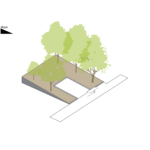
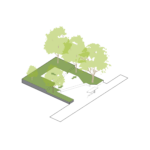
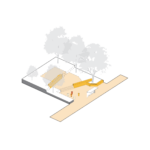
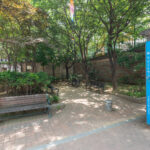
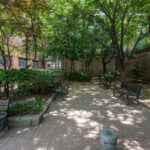
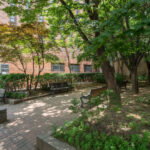
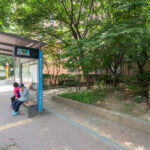
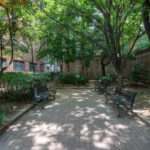
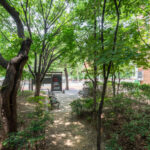
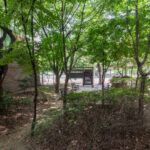
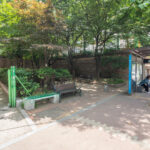
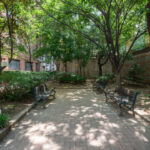
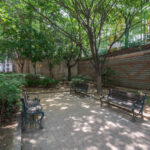
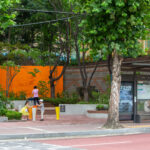
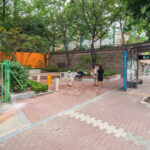
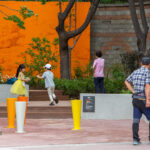
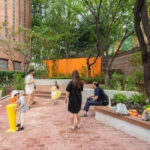
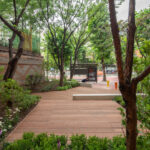
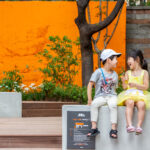
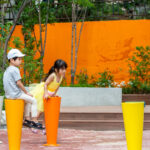
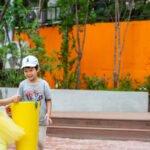
우수상을 수상한 아하모먼트 팀의 ‘정류원(停留園)’은 버스정류장 옆에 남겨져 있던 자투리 공간을 주민들이 자연스럽게 머물고 쉬어갈 수 있는 작은 도시 쉼터로 재구성한 프로젝트다. 기존 대상지는 무분별한 폐기물 투기와 노상방뇨, 낙후된 시설물, 어둡고 폐쇄적인 공간감 등으로 인해 제대로 활용되지 못하고 있었다. 특히 좁은 보행로와 분리된 정류장 휴게공간은 보행 충돌과 체류 부족을 유발하고 있었다. 반면 기존의 대형목 상태는 양호했고, 유동인구와 주민들의 쉼터 이용 요구가 높다는 가능성을 지닌 장소이기도 했다. 설계는 이러한 장소의 잠재력을 살려, 버스를 기다리는 짧은 시간 속에서도 자연과 함께 머무를 수 있는 ‘가로 속 작은 정원’을 만드는 데 초점을 두었다. 기존 수목은 최대한 보존·이식하고 과밀한 가지를 정리해 공간의 밝기와 개방감을 확보했으며, 경사를 재정비해 내부까지 자연스럽게 스며들 수 있는 흐름을 만들었다. 새롭게 계획된 공간에는 데크와 앉음벽, 벤치와 볼라드 등을 배치해 휴식 기능을 강화했고, 기존보다 넓어진 보행폭과 확장된 휴게공간을 통해 정류장과 쉼터가 하나의 연속된 도시 풍경으로 연결되도록 했다. 또한 벽면의 강렬한 색채와 풍부한 식재는 기존의 어둡고 방치된 분위기를 밝고 생동감 있는 공간으로 전환시키며, 일상 속 작은 풍경의 변화를 만들어낸다.
The 72-Hour Urban Regeneration Project is a public initiative organized by the Seoul Metropolitan Government that revitalizes neglected and underused leftover urban spaces through the collective participation of citizens, professionals, students, and companies. As its name suggests, the project involves an intensive 72-hour period of design and construction, transforming old alleys, vacant lots, and residual spaces into small gardens, resting areas, and community spaces. Beyond simple environmental improvement, the project aims to encourage civic participation and restore the identity of local places, and is regarded as an experiment in urban regeneration where landscape, architecture, art, and community activities intersect.
“Jeongryuwon (停留園),” created by Team AHA MOMENT and awarded the Excellence Prize, reimagined a leftover space beside a bus stop as a small urban retreat where residents could naturally pause and rest. The site had previously been underutilized due to illegal dumping, public urination, deteriorated facilities, and a dark and enclosed atmosphere. In particular, the narrow pedestrian path and the separation between the bus stop and the resting area caused pedestrian conflicts and limited opportunities for people to stay. At the same time, the site held strong potential, with healthy mature trees already in place and a high demand from local residents for a usable resting space. The design focused on revealing this latent potential and creating a “small garden within the streetscape” where people could briefly experience nature while waiting for the bus. Existing trees were preserved and relocated wherever possible, while overgrown branches were carefully pruned to improve openness and brightness. The site grading was reorganized to create a more natural and accessible flow into the interior of the space. The renewed site incorporates decks, seat walls, benches, and bollards to strengthen its function as a resting place. By widening the pedestrian path and expanding the seating area, the project reconnects the bus stop and resting space into a continuous urban landscape. In addition, the vividly painted walls and abundant planting transform what was once a dark and neglected corner into a bright and lively environment, creating a subtle yet meaningful change within the everyday streetscape.