Info&Credit
Type Public, Community Center
Use 유기농복합단지
Site 경남 거창군 남상면 월평리 2271번지 일원
Area 15427.7㎡
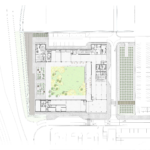
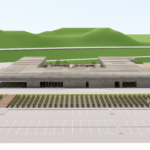
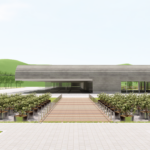
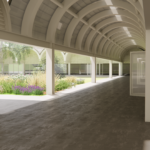
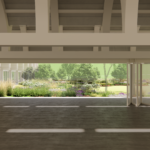
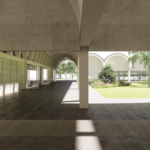
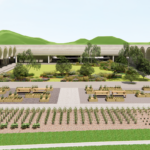
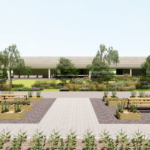
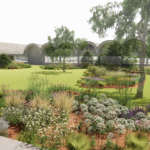
대상지는 농업의 풍경과 사람들의 일상이 함께 이어지는 곳이다. 건축과 외부 공간은 명확히 나뉘기보다 자연스럽게 연결되며, 재배와 가공, 교육과 체험이 하나의 흐름 안에서 이루어진다. 방문자는 공간을 이용하는 데 그치지 않고 생산의 과정에 참여하며 계절의 변화와 자연의 시간을 가까이 경험하게 된다. 시장과 교육 공간, 작업 공간과 휴식 공간은 서로 느슨하게 이어져 있으며, 시간과 계절, 사용하는 사람에 따라 다양한 방식으로 사용된다. 어린이와 지역 주민이 함께 머물 수 있는 열린 환경 속에서 세대 간의 경험이 자연스럽게 섞이고, 지역 공동체의 관계 또한 천천히 만들어진다. 거창 유기농센터는 ‘유기농’을 단순한 생산 방식이 아니라 사람과 자연, 공간의 관계가 유기적으로 연결되는 삶의 풍경으로 바라본다.
The site is a place where agricultural landscapes and everyday life coexist. Rather than being clearly separated, the architecture and exterior spaces are naturally connected, allowing cultivation, processing, education, and experience to unfold within a continuous flow. Visitors do not simply occupy the space, but participate in the process of production while experiencing seasonal change and the rhythms of nature firsthand. The market, educational spaces, workspaces, and resting areas are loosely connected, allowing the space to be interpreted and used differently depending on the season, time, and its users. Within this open environment where children and local residents can gather together, experiences between generations naturally intersect, and relationships within the local community gradually take shape. Geochang Organic Center views “organic” not simply as a method of production, but as a way of life where people, nature, and space are organically connected.